Town Hall Seattle presents
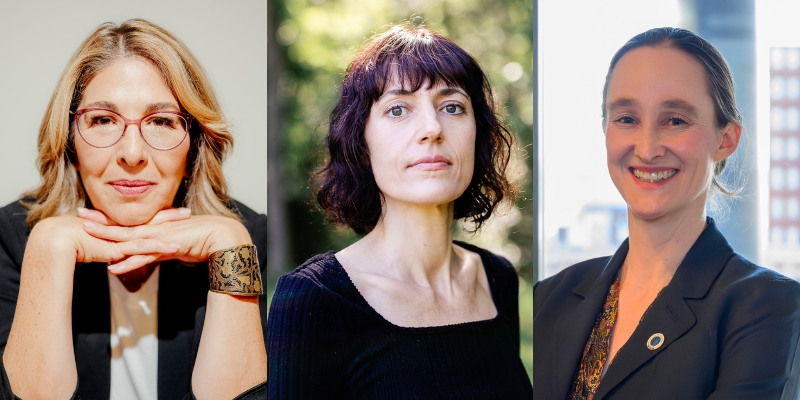
Naomi Klein and Astra Taylor with Mayor Katie Wilson
End Times Fascism and the Fight for the Living World


Town Hall Seattle and Washin Kai present
Binging Shogun: Can Historical Fiction Be Good for History?
EVENT NOTES
Doors for this event will open at 5:00 PM. Town Hall events are approximately 75 minutes long.
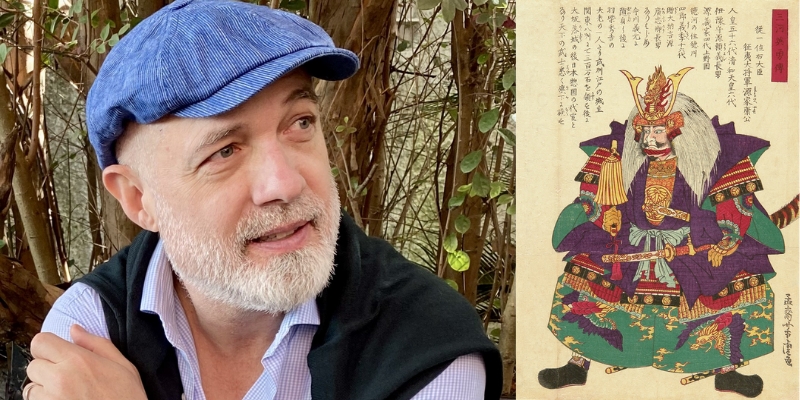
When Shogun was released last year on Hulu, it featured a great cast, spectacular visuals, and a gripping story. It was a commercial and critical success on release, and again when awards season came around. So of course, academic historians fretted. Were they concerned that it painted sixteenth-century Japan as another Game of Thrones (with more ninjas and fewer dragons)? Maybe a little. But most scholars were anxious because they understood how important the show would be, how profound an impact it would have, for years to come, on the public’s perception of Japanese culture and history — all the more so because the story captures a moment of extraordinary significance, in such vivid detail, on such a vast canvas.
In this talk, David Spafford, Associate Professor of Premodern Japanese History at the University of Pennsylvania, takes a closer look at the complexities of the period and unpacks why this particular moment in history matters so much — and how the hit Shogun series does (or doesn’t) help us understand it.
David Spafford was born and raised in Rome and first moved to the States to earn his PhD. He is currently Associate Professor of Premodern Japanese History in the Department of East Asian Languages and Civilizations at the University of Pennsylvania, where he teaches courses on samurai and the invention of the Way of the Warrior, on early modern urbanization, and on premodern law and violence. He is the author of A Sense of Place: The Political Landscape in Late Medieval Japan (2013), which explores the resilience of medieval regional identities and cultural geographies during the early Warring States period. In recent years, he has written about the role and boundaries of kinship in warrior society between 1450 and 1650. He is currently completing a short monograph on the writings of a sixteenth-century widow, known to us only as Jukeini, the only woman to rule a warrior domain.
Paul Atkins is professor of Japanese in the Department of Asian Languages and Literature at the University of Washington, Seattle, where he teaches and writes about the literature, drama, and culture of medieval Japan. He holds a Ph.D. in Japanese from Stanford University. Professor Atkins was awarded the William F. Sibley Memorial Translation Prize by the University of Chicago in 2011 and the Kyoko Selden Memorial Translation Prize by Cornell University in 2021 for his translations of classical Japanese texts into English. Publications include the monographs Teika: The Life and Works of a Medieval Japanese Poet (University of Hawai’i Press, 2017) and Revealed Identity: The Noh Plays of Komparu Zenchiku (Center of Japanese Studies, University of Michigan, 2006) as well as a number of articles.
Presented by Town Hall Seattle and Washin Kai. This event is sponsored by the UW Center for Japanese Studies and the UW Department of Asian Languages and Literature. Nominal support provided by Consulate-General of Japan in Seattle.



Town Hall Seattle presents
End Times Fascism and the Fight for the Living World
Town Hall Seattle presents
The Earth Said Remember Me
Town Hall Seattle presents
Maya – Seven Reflections of Life